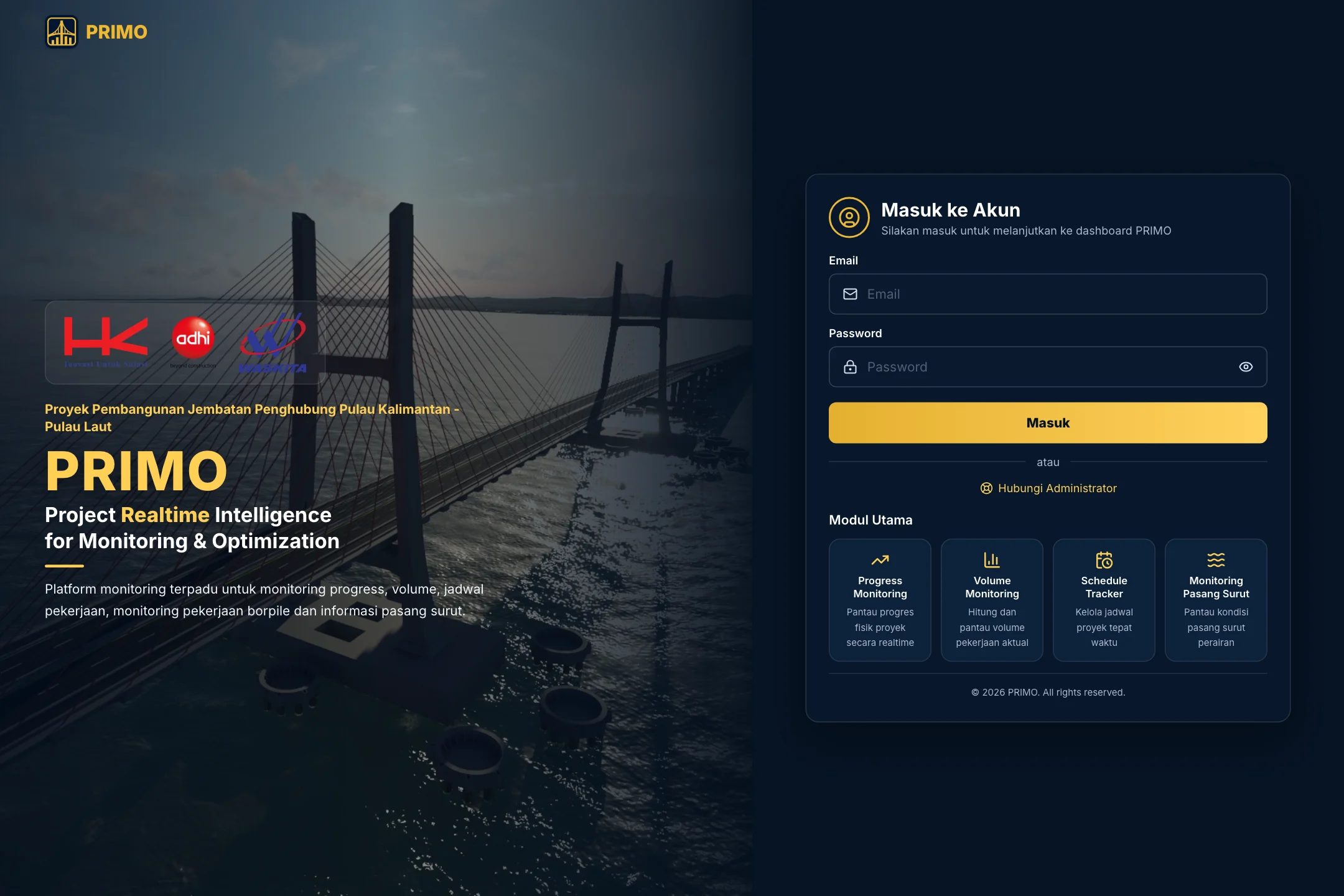
Construction teams already understand their project workbooks. The opportunity was not to discard that knowledge, but to turn it into a shared system that is easier to validate and monitor.
What was getting in the way.
Project information spread across formula-heavy files made shared access, consistent validation, and an overall view of progress difficult.
Turning the process into a usable system.
- Worked with a civil-engineering stakeholder to translate familiar project concepts into a practical web application.
- Built more than 16 connected workflows covering progress, schedules, risk, quality, safety, documents, and meetings.
- Kept Excel available for initial and bulk input while moving ongoing work into a shared system.
- Created dashboards that summarize current project data by reporting period for easier monitoring.
A simple view of people, process, and information.
This simplified view only shows verified parts of the service. Confidential access, infrastructure details, and operational data are intentionally omitted.
The team needed to retain familiar construction terminology and workbook inputs without keeping critical operations dependent on fragile files.
I used the workbook as a starting point, then moved recurring records and calculations into a structured system that can be reviewed and shared.
- More than 16 connected project workflows
- Controlled spreadsheet imports
- Review and validation by responsibility
- Period-based project dashboards
- Shared records across project activities
What changed for the people using it.
- Centralized project monitoring activities in a consistent web interface.
- Made recurring input, validation, and review easier to manage without changing familiar industry language.
- Created a shared foundation that can grow with additional project workflows.